How to Prepare for a Panel Interview and Make a Good Impression
Getting invited to an interview is an important step when looking for a job. However, some applicants become nervous when they discover that they will be interviewed by several people instead of one person. They may wonder where to look, how to answer questions and what to do when different interviewers take turns speaking.
Learning how to prepare for a panel interview can help you feel more confident and explain your skills clearly. Panel interviews are used by many employers and organisations to assess whether a candidate is suitable for a position. They can take place when applying for entry-level jobs, graduate programmes, learnerships, administrative positions and other career opportunities.
The good news is that you do not need expensive interview coaching to prepare. With enough practice, some research and a clear understanding of your own experience, you can walk into the interview feeling better prepared.
What Is a Panel Interview?
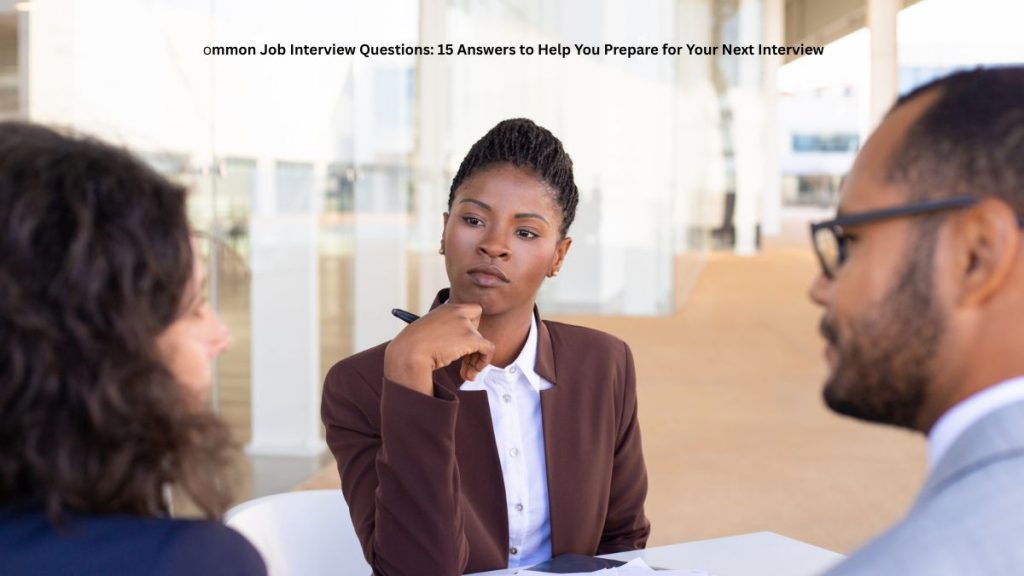
A panel interview is a job interview in which two or more people ask questions to the same candidate. Instead of speaking to only one interviewer, you may meet a group of people who each have a different role in the recruitment process.
For example, a South African employer might have a human resources representative, a department manager and a supervisor on the interview panel. Each person may focus on a different part of your suitability for the job.
The human resources representative might ask about your background and availability. The manager may want to understand how you would handle work-related challenges, while the supervisor could ask about teamwork and following instructions.
Not every panel follows the same format. Some interviews are formal, with each person asking prepared questions. Others feel more conversational, although you are still expected to answer professionally.
Understanding this arrangement helps you prepare for the experience instead of being surprised when several people are sitting across from you.
1. Read the Job Advert Carefully
Before preparing answers, go back to the job advertisement. Read the responsibilities, minimum requirements and skills the employer is looking for.
This is important because your answers should relate to the position you want, rather than simply listing general qualities about yourself.
Suppose you are applying for a general worker position. The advertisement may mention following instructions, working safely, arriving on time and completing assigned tasks. These are areas you can prepare to discuss.
If you are applying for an administrative position, you may need to explain how you organise information, communicate with people and manage tasks.
Make a short list of the most important requirements. For each one, think of an example from your previous work, studies, volunteering or other relevant experience.
If you have never worked before, do not assume that you have nothing useful to say. School projects, group assignments, community activities and responsibilities you have handled can help demonstrate your abilities.
The purpose is to show the panel how your experience relates to the job.
2. Research the Employer Before the Interview
Knowing something about the organisation can help you give more relevant answers. It also shows that you have taken the opportunity seriously.
Start with basic information, such as what the organisation does, which services it provides and the type of work involved in the position.
If you are applying to a retail business, for example, understand the importance of customer service, keeping the workplace organised and helping customers. For a warehouse position, think about stock handling, teamwork and workplace safety.
When applying to a government department or public institution, understand its general responsibilities and how the advertised position might support its work.
You do not have to memorise the organisation’s entire history. Concentrate on information that helps you understand the job.
Also, prepare an answer to the question, “Why do you want to work here?”
Instead of saying only that you need a job, explain what interests you about the position and how you could contribute. Be honest about your reasons and avoid making claims you cannot support.
3. Practise Common Panel Interview Questions
One of the most useful ways to prepare is to practise answering questions aloud. Reading an answer silently may feel easy, but speaking in front of other people can be a different experience.
Prepare for questions such as:
- Tell us about yourself.
- Why are you interested in this position?
- What skills would you bring to this job?
- How do you handle pressure?
- Describe a time you worked with other people.
- What would you do if you disagreed with a colleague?
- Why should we consider you for this position?
You do not need to memorise a long speech for every question. Memorised answers can sound unnatural, and you may struggle if an interviewer phrases a question differently.
Instead, identify two or three points you want to communicate in each answer. Practise explaining them in your own words.
For example, if the panel asks you to introduce yourself, you could briefly mention your background, relevant skills and interest in the position. Keep your response focused on information that helps the employer understand your suitability.
Ask a friend or family member to practise with you if possible. They can take turns asking questions while you practise answering without reading from your phone.
4. Use Real Examples When Explaining Your Skills
Saying that you are hardworking, reliable or good at solving problems is not always enough. Interviewers may want to understand how you have demonstrated those qualities.
Whenever possible, support your answer with a real example.
Imagine that the panel asks how you work with others. You could explain how you participated in a school project, helped organise a community activity or worked with colleagues to complete a task.
A useful way to organise your answer is to explain four things:
- Situation: What was happening?
- Task: What were you expected to do?
- Action: What did you do?
- Result: What happened after your actions?
This approach helps you give a complete answer without going off topic.
For instance, if you helped a group complete a school assignment before a deadline, explain how you divided the work, communicated with other members and helped the group finish on time.
Do not invent workplace experience or claim responsibility for something you did not do. If you are a first-time job seeker, an honest example from your education or community activities is better than a false story.
5. Learn How to Address Several Interviewers
One difference between a panel interview and a one-on-one interview is that you need to communicate with more than one person.
When someone asks you a question, begin by looking at that person. As you explain your answer, you can naturally make eye contact with the other panel members too.
You do not have to stare at everyone or constantly move your head from side to side. Aim for comfortable eye contact and a calm, respectful manner.
Listen carefully to each question before responding. If an interviewer asks something you do not understand, politely ask them to repeat or clarify it.
For example, you could say, “Could you please explain what you mean by that question?”
If you need a moment to think, take a short pause. A thoughtful answer is usually more helpful than rushing into a response that does not address the question.
Remember that the panel is there to assess your suitability for the position. You do not need to impress every person with complicated language. Focus on being clear, honest and professional.
6. Prepare Your Documents and Plan Your Journey
Your preparation should include the practical details of attending the interview.
Check the invitation to see what documents you must bring. Depending on the employer’s instructions, these may include your CV, qualifications, identification documents, certificates or copies of other supporting documents.
Do not assume that every employer requires the same paperwork. Follow the instructions in the interview invitation and contact the employer if something is unclear.
Keep the documents organised in a folder so that you can find them quickly.
Plan how you will travel to the interview venue. If you are using public transport, consider possible delays and allow enough time to reach the location. If the interview is online, check your internet connection, camera, microphone and meeting details beforehand.
Choose clean, neat clothing that is suitable for the workplace and position. You do not necessarily need expensive formal clothes to make a good impression.
The goal is to arrive prepared rather than feeling rushed or distracted by problems that could have been avoided.
7. Manage Nervousness Without Pretending to Be Perfect
Feeling nervous before an interview is normal, especially when several people will be assessing your answers. You do not have to eliminate every feeling of nervousness to perform well.
Before entering the room, take a few slow breaths and remind yourself that you have prepared for the discussion.
During the interview, listen instead of trying to predict every possible question. Concentrating on what the interviewer is actually asking can make it easier to respond clearly.
If you make a small mistake, do not assume that the entire interview has gone badly. Correct yourself if necessary and continue with your answer.
Avoid pretending to know something when you do not. If you have not encountered a particular situation before, explain how you would approach it using the information and skills you have.
For example, you might say that you would first check the relevant instructions, ask an appropriate supervisor for guidance and follow the organisation’s procedures.
Employers may value your willingness to learn, particularly when recruiting candidates for entry-level positions. Your answer should show sensible judgement without suggesting that you have experience you do not possess.
8. Prepare Questions to Ask the Panel
Some interviewers will give you an opportunity to ask questions before the interview ends. Preparing one or two relevant questions can help you understand the role more clearly.
You could ask:
- What would the successful candidate be expected to focus on during the first few months?
- What does a normal working day look like in this position?
- What training or support is provided to new employees?
Choose questions that have not already been answered during the interview or in the job advertisement.
Avoid asking questions simply to appear interested. Ask about something that genuinely helps you understand the opportunity.
If the panel has already explained everything you wanted to know, you can thank the interviewers for the information and say that your questions have been answered.
Before leaving, thank the panel for their time. If you are told when to expect feedback, make a note of that information.
Mistakes to Avoid During a Panel Interview
Even well-prepared applicants can make mistakes when they feel under pressure. Being aware of common problems can help you avoid them.
Giving answers that are too long: Include enough detail to explain your point, but do not repeat the same information several times.
Interrupting interviewers: Allow each person to finish asking the question before you begin speaking.
Speaking negatively about previous employers: If you have worked before, discuss difficult experiences professionally and focus on what you learned.
Giving dishonest answers: Never invent qualifications, work experience or achievements to make yourself appear more suitable.
Ignoring part of a question: Listen to the full question and make sure your response addresses what the panel wants to know.
Failing to prepare: Arriving without understanding the position can make it harder to provide relevant examples.
Using your phone unnecessarily: Keep your phone silent and put it away unless you need it for a specific interview-related reason.
Assuming nervousness means failure: A brief pause or a moment of uncertainty does not automatically mean that you have performed badly.
The most important thing is to communicate honestly and show that you have made a genuine effort to prepare.
Panel Interview Preparation Checklist
Use this checklist before your interview to identify anything you still need to do.
- Read the full job advertisement.
- Research the organisation and understand the position.
- Practise introducing yourself.
- Prepare examples that demonstrate your skills.
- Practise answering questions aloud.
- Prepare one or two questions for the panel.
- Check the required documents.
- Choose suitable clothing.
- Confirm the interview location, time and travel arrangements.
- Test your equipment if the interview is online.
- Get enough rest before the interview.
You do not need to complete everything perfectly. The checklist is there to help you feel organised and identify areas that need attention.
Frequently Asked Questions About Panel Interviews
Is a panel interview harder than a normal interview?
Not necessarily. A panel interview can feel more intimidating because several people are present, but the purpose is still to assess whether you are suitable for the job. Preparing relevant examples and practising your answers can make the experience easier to manage.
What should I do if I do not know the answer to a panel interview question?
Stay calm and avoid making up information. If you do not understand the question, ask for clarification. If you lack experience in the situation described, explain honestly how you would approach it and what steps you would take to find the correct solution.
Can I pass a panel interview without work experience?
Yes, it is possible to be selected for a position without previous formal work experience, depending on the job requirements and other applicants. You can use relevant examples from school, volunteering, group projects or community activities to demonstrate your skills. Always check the minimum requirements in the job advertisement.
Final Thoughts
Preparing for a panel interview becomes easier when you understand what the employer is looking for and have practised explaining your abilities. You do not need perfect answers or years of experience to communicate well.
Focus on understanding the position, researching the organisation, preparing honest examples and listening carefully to each question. Make sure your documents are ready and plan your journey so that you can arrive with enough time to settle in.
For first-time job seekers in South Africa, a panel interview can also be an opportunity to demonstrate willingness to learn, reliability and a professional attitude.
Your goal is not to give a perfect performance. It is to help the panel understand what you can offer and why you may be a suitable candidate for the position.
Editorial note: This article provides general interview preparation guidance. Individual employers may use different interview formats and assessment criteria, so applicants should follow the instructions provided for their specific interview.